Hey there! As an Aluminum Profile Platform supplier, I often get asked about how to add wheels to an aluminum profile platform. It's a pretty common request, and for good reason. Adding wheels can make your platform more mobile and versatile, allowing you to move it around easily for different tasks. In this blog post, I'm going to walk you through the process step by step.
Why Add Wheels to an Aluminum Profile Platform?
Before we dive into the how-to, let's talk about why you might want to add wheels in the first place. There are a few key benefits:
- Mobility: The most obvious advantage is that you can move the platform wherever you need it. This is great for workshops, warehouses, or any place where you need to reposition the platform frequently.
- Versatility: With wheels, your platform can be used in multiple locations. You can use it in one area for a particular task and then move it to another area for a different job.
- Efficiency: Moving heavy equipment or materials on a wheeled platform is much easier and faster than trying to carry them by hand or using other methods.
What You'll Need
To add wheels to your aluminum profile platform, you'll need the following tools and materials:
- Wheels: Choose the right type of wheels based on your needs. Consider factors like load capacity, wheel material (e.g., rubber, polyurethane), and whether you need swivel or fixed wheels.
- Mounting Brackets: These are used to attach the wheels to the platform. Make sure they are compatible with both the wheels and the aluminum profile.
- Screwdriver or Drill: You'll need this to attach the mounting brackets to the platform.
- Measuring Tape: To ensure accurate placement of the wheels.
- Wrench: For tightening the bolts or screws.
Step 1: Measure and Plan
The first step is to measure your aluminum profile platform and plan where you want to place the wheels. Here's how:
- Determine the Number of Wheels: The number of wheels you need depends on the size and weight of your platform. For smaller platforms, four wheels are usually sufficient. Larger or heavier platforms may require more wheels for better support.
- Mark the Placement: Use a measuring tape to mark the spots where you'll attach the mounting brackets. Make sure the marks are evenly spaced and aligned. If you're using swivel wheels, place them at the corners for maximum maneuverability.
Step 2: Choose the Right Wheels
As mentioned earlier, choosing the right wheels is crucial. Here are some things to consider:
- Load Capacity: Make sure the wheels can support the weight of the platform and any additional load. Check the manufacturer's specifications for the load capacity of each wheel.
- Wheel Material: Different wheel materials have different properties. Rubber wheels are good for smooth surfaces and provide some shock absorption. Polyurethane wheels are more durable and can handle heavier loads.
- Swivel vs. Fixed Wheels: Swivel wheels allow for easy turning and maneuvering, while fixed wheels provide more stability. You may want to use a combination of both, with swivel wheels at the front and fixed wheels at the back.
Step 3: Attach the Mounting Brackets
Once you've chosen the wheels and marked the placement, it's time to attach the mounting brackets to the platform. Here's how:
- Align the Brackets: Place the mounting brackets on the marked spots and align them with the holes in the aluminum profile.
- Secure the Brackets: Use a screwdriver or drill to attach the brackets to the platform. Make sure the screws or bolts are tightened securely.
Step 4: Install the Wheels
After the mounting brackets are attached, it's time to install the wheels. Here's what you need to do:
- Attach the Wheels to the Brackets: Most wheels come with a mounting mechanism that allows you to attach them to the brackets. Follow the manufacturer's instructions for proper installation.
- Tighten the Wheels: Use a wrench to tighten the bolts or screws that hold the wheels in place. Make sure the wheels are securely attached and can rotate freely.
Step 5: Test the Platform
Once the wheels are installed, it's important to test the platform to make sure everything is working properly. Here's what you should do:
- Check the Mobility: Push the platform around to see how easily it moves. Make sure the wheels roll smoothly and that the platform doesn't wobble or tip over.
- Test the Turning: If you've installed swivel wheels, test the turning ability of the platform. Make sure it can turn in all directions without any issues.
- Check the Load Capacity: If possible, place a light load on the platform and test its mobility again. Make sure the wheels can support the weight without any problems.
Tips and Tricks
Here are some additional tips and tricks to keep in mind when adding wheels to your aluminum profile platform:
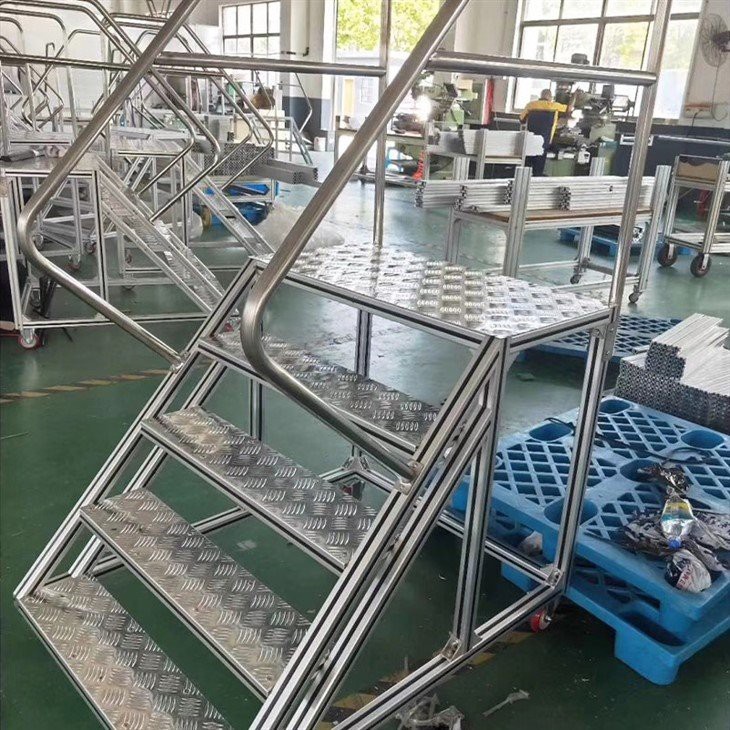

- Use Locking Wheels: If you need to keep the platform in a fixed position, consider using locking wheels. These wheels have a mechanism that allows you to lock them in place when needed.
- Balance the Load: Make sure the load on the platform is evenly distributed to prevent the wheels from wearing unevenly or causing the platform to tip over.
- Maintain the Wheels: Regularly clean and lubricate the wheels to ensure smooth operation. Check the wheels for any signs of wear or damage and replace them if necessary.
Conclusion
Adding wheels to an aluminum profile platform is a relatively simple process that can greatly enhance its mobility and versatility. By following the steps outlined in this blog post, you can easily transform your stationary platform into a mobile one. If you're in the market for Aluminum Profile Platforms or Immovable Aluminum Profile Stairs, feel free to reach out to us. We'd be happy to help you find the right products for your needs. Whether you're a small business owner or a large industrial facility, we have the expertise and products to meet your requirements. Contact us today to start the conversation!
References
- General knowledge about aluminum profile platforms and wheel installation.
- Manufacturer's instructions for wheels and mounting brackets.