Installing aluminum profiles on a sloped surface might seem like a daunting task, but with the right approach and a bit of know - how, it can be a smooth process. As an aluminum profile supplier, I've seen firsthand the challenges and solutions when it comes to these installations. So, let's dive right in and explore how you can get the job done.
Understanding the Basics
Before you start any installation, it's crucial to understand the properties of aluminum profiles. Aluminum is lightweight, corrosion - resistant, and easy to work with. This makes it a popular choice for various applications, whether it's for a home project or an industrial setting.
There are different series of aluminum profiles available, like the 90 Series Industrial Aluminum Profile and the 120 Series Industrial Aluminum Profile. The choice of the series depends on the load - bearing requirements and the overall design of your project.

Planning the Installation
The first step in installing aluminum profiles on a sloped surface is planning. You need to measure the slope accurately. Use a level and a measuring tape to determine the angle of the slope. This will help you decide how to cut the profiles and where to place the fasteners.
It's also important to think about the purpose of the installation. Are you building a railing, a support structure, or something else? This will influence the layout and the type of connections you'll need. For example, if you're building a railing, you'll need to ensure that it's safe and stable.
Preparing the Surface
Once you have a plan, it's time to prepare the sloped surface. Make sure it's clean and free of any debris, dirt, or loose materials. If there are any rough spots, you can use sandpaper to smooth them out. This will ensure a better fit for the aluminum profiles.
You might also need to mark the positions where the profiles will be installed. Use a chalk line or a marker to make clear and visible markings. This will help you during the installation process and keep everything in line.
Cutting the Aluminum Profiles
Cutting the aluminum profiles is a critical step. You'll need the right tools for this job, such as a hacksaw, a miter saw, or a power cutter. Make sure to wear safety goggles and gloves to protect yourself.
When cutting the profiles for a sloped surface, you'll often need to make angled cuts. Use a miter saw to make precise angled cuts. Measure twice and cut once to avoid any mistakes. Remember, it's better to have a slightly longer piece that you can trim later than a piece that's too short.
Making the Connections
There are several ways to connect the aluminum profiles. One common method is using fasteners like screws and bolts. Make sure to choose the right type and size of fasteners for your project. You can use self - tapping screws for lighter applications, or bolts and nuts for heavier loads.
Another option is using corner connectors or brackets. These can provide additional support and stability, especially on a sloped surface. They're easy to install and can be adjusted if needed.
Installing the Profiles
Now it's time to install the aluminum profiles on the sloped surface. Start at one end and work your way to the other. Follow the markings you made earlier. Place the profiles in position and use the fasteners or connectors to secure them.
As you install each piece, make sure it's level and aligned correctly. Use a level to check the horizontal and vertical alignment. If the profile is not level, you can adjust the fasteners or the position of the profile slightly.
Testing and Finishing
After the installation is complete, it's important to test the stability of the structure. Apply some pressure to the profiles to see if they're secure. If there are any loose parts, tighten the fasteners or adjust the connections.
You can also add some finishing touches to the installation. For example, you can paint the profiles to match the surrounding environment or to protect them from corrosion. There are special paints available for aluminum that can provide long - lasting protection.
Troubleshooting
Sometimes, things might not go as planned. If you encounter any issues during the installation, don't panic. Here are some common problems and their solutions:
- Uneven Fit: If the profiles don't fit together properly, check the cuts. You might need to make some adjustments or recut the pieces.
- Loose Connections: If the connections seem loose, check the fasteners. Tighten them if necessary, or replace them if they're damaged.
- Alignment Issues: If the profiles are not aligned correctly, you can use shims or adjust the position of the fasteners to correct the alignment.
Assembling a Workbench on a Sloped Surface
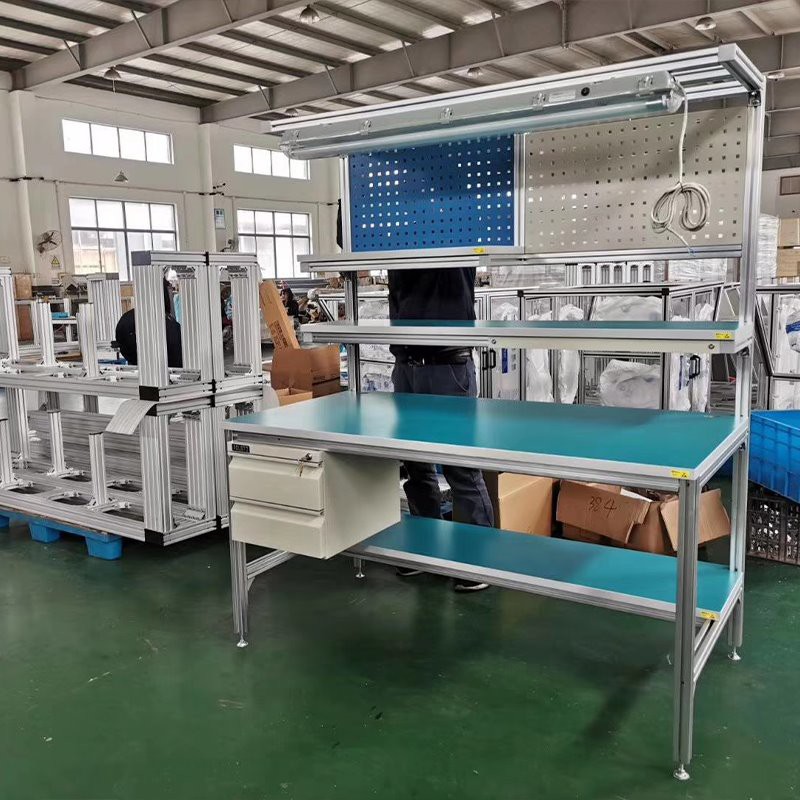
If you're thinking about assembling a workbench using aluminum profiles on a sloped surface, it's a bit more complex but still doable. You can refer to the Assemble Aluminum Profile Workbench guide for more detailed instructions.
When assembling a workbench on a sloped surface, you'll need to pay extra attention to the stability. Make sure the legs of the workbench are adjusted to the slope and that the surface is level. You might need to use adjustable feet or shims to achieve this.
Safety Considerations
Throughout the installation process, safety should be your top priority. Wear appropriate safety gear, such as safety glasses, gloves, and a hard hat if necessary. Follow all the safety instructions for the tools you're using.
If you're working at a height, make sure you have a stable platform or use a safety harness. Never take shortcuts when it comes to safety.
Conclusion
Installing aluminum profiles on a sloped surface is a challenging but rewarding project. With proper planning, the right tools, and a bit of patience, you can achieve a great result. Whether you're a DIY enthusiast or a professional contractor, these steps can help you install aluminum profiles safely and effectively.
If you're interested in purchasing high - quality aluminum profiles for your project, we're here to help. As an aluminum profile supplier, we offer a wide range of profiles and accessories. Contact us to discuss your requirements and get started on your project.
References
- General knowledge from years of experience as an aluminum profile supplier.
- Industry standards for aluminum profile installation.