


Aluminum Heatsink
As an Aluminum Heatsink supplier, Minjian not only has the development and production capabilities for die-casting molds and stamping molds but also provides customers with a wide variety of product choices. We offer 24-hour online services tailored to the needs of different customers, professionally answering product-related questions and helping customers select ideal products and formulate appropriate solutions. You can learn more about us through the following product introductions, or you can directly contact our professional service team.

What Is Aluminum Heatsink?
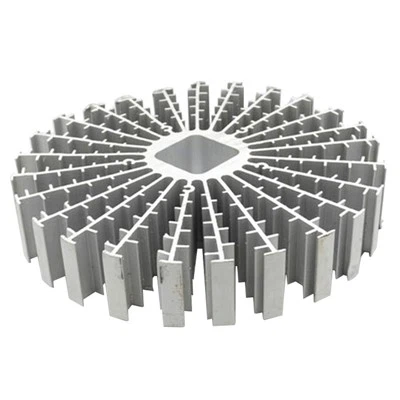
Aluminum heatsink is a cooling device that is commonly used in electronic devices such as computers, televisions, and power amplifiers. Its purpose is to dissipate the heat generated by electronic components to prevent overheating and damage to the equipment.Aluminum heatsinks are often preferred over other materials such as copper due to their lower cost and lighter weight. They can be designed into various shapes and sizes to fit specific applications and can be easily attached to electronic components with thermal adhesive or clips.
The benefits of using aluminum heatsinks are many. They help to improve the overall performance and lifespan of electronic equipment, reduce energy consumption, and improve safety by preventing potential fire hazards caused by overheating.In addition, aluminum heatsinks are also environmentally friendly as they can be recycled, reducing the impact on the environment.Overall, aluminum heatsinks play a crucial role in maintaining the reliability and efficiency of electronic devices. Their use helps to ensure that equipment operates at optimal temperatures while avoiding costly repairs or replacements.


What are the advantages of Aluminum Heatsink
High Thermal Conductivity
Aluminum has high thermal conductivity, which means it can effectively transfer heat from the source to the surrounding environment. This makes aluminum an ideal material for heatsinks, as it can dissipate heat quickly and efficiently.
Lightweight
Aluminum is a lightweight material, which makes it easy to handle and install. It also makes the overall weight of the device lighter, which is beneficial for portable devices.
Low Cost
Aluminum is relatively inexpensive compared to other metals used for heatsinks, such as copper or silver. This makes aluminum heatsinks a cost-effective solution for cooling electronic devices.
Corrosion Resistance
Aluminum has excellent corrosion resistance, which means it can withstand exposure to moisture and other corrosive elements. This makes aluminum heatsinks durable and long-lasting.
Easy to Fabricate
Aluminum is easy to fabricate into various shapes and sizes, which makes it versatile for different types of heatsinks. It can also be easily extruded, which means it can be mass-produced quickly and efficiently.
Recyclable
Aluminum heatsinks are environmentally friendly, as aluminum is a highly recyclable material. This reduces waste and helps to conserve natural resources
Types of Aluminum Heatsink
Passive Heatsinks
Passive heatsinks are the most common type of aluminum heatsinks used in electronic devices. These heatsinks use natural convection to dissipate heat from the device. They are simple in design, easy to install, and require no power source, making them cost-effective and efficient.
Active Heatsinks
Active heatsinks, also known as forced air heatsinks, use fans or blowers to force cool air across the heatsink fins. This cooling mechanism allows for quicker dissipation of heat from the electronic device. Active heatsinks are usually designed for high-performance computing systems, where efficient cooling is necessary for optimal performance.
Liquid-cooled Heatsinks
Liquid-cooled heatsinks are designed for high-end electronic devices that produce a significant amount of heat. This type of heatsink uses a liquid coolant to remove the heat generated by the electronic device. The coolant is passed through tubing that runs through the heatsink, absorbing heat as it moves.
Embedded Heatsinks
Embedded heatsinks are integrated into the electronic device during the manufacturing process. They are usually found in smaller electronic devices like smartphones and tablets. Embedded heatsinks are highly efficient, compact, and take up less space than other heatsinks.
Application of Aluminum Heatsink
Computer processors
As computer processors have become more powerful and compact, they produce more heat. This heat can cause damage to the processor and reduce its lifespan. With the use of aluminum heatsinks, the heat generated by the processor is effectively dissipated, ensuring that the processor operates within safe temperature ranges.
LED lighting systems
LED lighting produces a significant amount of heat that can reduce the lifespan of the LED or even cause it to fail prematurely. With the use of aluminum heatsinks, the heat generated by the LED is effectively dissipated, ensuring that the LED operates within a safe temperature range, extending its lifespan.
Power electronic devices
Power electronic devices are known to generate a significant amount of heat, which can cause them to malfunction or reduce their lifespan. With the use of aluminum heatsinks, the heat generated is effectively dissipated, keeping the devices operating at peak efficiency and extending their life-span.
How to maintain Aluminum Heatsink
Keep them clean
The primary enemy of aluminum heatsinks is dust and dirt. Over time, these particles can accumulate and reduce the heatsink's efficiency. It's important to clean aluminum heatsinks regularly to prevent this from happening. Use a soft-bristled brush or compressed air to remove dust and dirt from the heatsink's fins and crevices.
01
Use thermal paste
Thermal paste is a compound that helps conduct heat between the device and the heatsink. Over time, this paste can become dry and less effective. To maintain the heatsink's efficiency, it's important to replace the thermal paste every few years.
02
Check for damage
Aluminum heatsinks can become damaged if they are mishandled or exposed to high temperatures. Check your heatsink regularly for signs of damage such as bent fins or cracks. If you notice any damage, take steps to repair or replace the heatsink as soon as possible.
03
Proper installation
When installing an aluminum heatsink, it's important to do so correctly. Follow the manufacturer's instructions carefully to ensure the heatsink is properly attached to the device. If the heatsink is not installed correctly, it will not be able to dissipate heat effectively.
04
Keep the surrounding area cool
Aluminum heatsinks rely on air flow to dissipate heat. If the surrounding area is too hot, the heatsink will not be able to perform its function correctly. Keep your electronic devices in a cool, well-ventilated area to ensure the heatsink is operating efficiently.
05
Components of Aluminum Heatsink
Base
The base of the aluminum heatsink is the surface that is placed on top of the electronic device. The base is in contact with the device, and it helps to absorb the heat generated by the electrical components.
Fins
The fins of an aluminum heatsink are the surfaces that protrude from the base. The fins increase the surface area of the heatsink, which maximizes heat dissipation.
Heat pipes
Heat pipes are one of the essential components of an aluminum heatsink. They are used to transfer heat from the base of the heatsink to the fins, where it can be dissipated. The heat pipes are made of materials that can conduct heat efficiently.
Mounting mechanisms
Lastly, an aluminum heatsink has mounting mechanisms that hold it in place on the electronic device. The mounting mechanisms vary in design, depending on the application and the size of the heatsink.
Process of Aluminum Heatsink
Select high-quality aluminum material
Design specifications and dimensions of the heatsink
Cut into the desired shape
Scribed with a diamond-tipped tool
Coating the heatsink's surface with a layer of oxide
Assemble with other components to create the finished product
FAQ
Q: Who are we?
Q: How can we guarantee quality?
Q: What can you buy from us?
Q: Why should you buy from us not from other suppliers?
Q: What services can we provide?
Certifications


Our Factory


