Can aluminum profile stairs be used in hospitals? This is a question that many hospital administrators, architects, and facility managers often ask when planning or renovating healthcare facilities. As a supplier of Aluminum Profile Stairs, I have had the opportunity to explore this topic in depth and understand the various factors involved. In this blog post, I will share my insights on the suitability of aluminum profile stairs for hospitals, highlighting their advantages, potential challenges, and considerations for implementation.

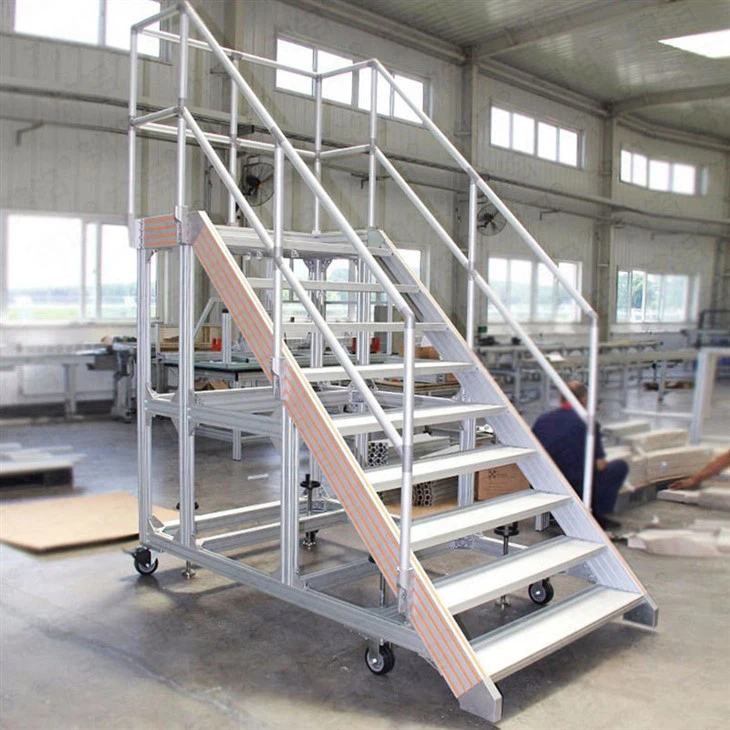
Advantages of Aluminum Profile Stairs in Hospitals
Durability and Longevity
Aluminum is a highly durable material that can withstand heavy use and harsh environments. In a hospital setting, where there is a constant flow of patients, staff, and visitors, stairs need to be able to endure significant foot traffic without showing signs of wear and tear. Aluminum profile stairs are resistant to corrosion, rust, and damage from chemicals, making them ideal for areas prone to spills and cleaning agents commonly used in hospitals. Their long lifespan also means fewer replacements and lower maintenance costs over time.
Lightweight and Easy to Install
One of the key benefits of aluminum profile stairs is their lightweight nature. Compared to traditional materials like concrete or steel, aluminum stairs are much easier to handle and install. This can significantly reduce installation time and labor costs, minimizing disruption to hospital operations during construction or renovation projects. Additionally, the lightweight design allows for greater flexibility in placement and can be easily customized to fit the specific layout and requirements of the hospital.
Hygiene and Cleanliness
Maintaining a clean and hygienic environment is crucial in hospitals to prevent the spread of infections. Aluminum profile stairs have a smooth, non-porous surface that is easy to clean and disinfect. They do not absorb moisture or harbor bacteria, making them a hygienic choice for healthcare facilities. Regular cleaning with standard hospital-grade cleaning agents can effectively remove dirt, germs, and contaminants, ensuring a safe and healthy environment for patients and staff.
Aesthetic Appeal
In addition to their functional benefits, aluminum profile stairs can also enhance the aesthetic appeal of hospital interiors. They are available in a variety of finishes and colors, allowing for seamless integration with the overall design scheme of the hospital. Whether you prefer a modern, sleek look or a more traditional style, aluminum stairs can be customized to meet your aesthetic preferences and complement the surrounding architecture.
Safety Features
Safety is a top priority in hospitals, and aluminum profile stairs can be designed with a range of safety features to prevent accidents and injuries. These may include anti-slip surfaces, handrails, and lighting systems. Anti-slip surfaces provide traction and reduce the risk of slips and falls, especially in areas where floors may be wet or slippery. Handrails offer support and stability for patients, staff, and visitors as they navigate the stairs. Lighting systems can improve visibility, making it easier to see the steps and reducing the likelihood of tripping.
Potential Challenges and Considerations
While aluminum profile stairs offer many advantages for hospitals, there are also some potential challenges and considerations that need to be addressed.
Cost
The initial cost of aluminum profile stairs may be higher than some other materials. However, it is important to consider the long-term cost savings associated with their durability, low maintenance requirements, and energy efficiency. Additionally, the cost of installation may vary depending on the complexity of the design and the specific requirements of the project. It is recommended to obtain quotes from multiple suppliers and compare the costs and features of different options before making a decision.
Noise
Aluminum is a relatively noisy material compared to some other options. In a hospital setting, where noise can be a distraction and affect patient comfort, this may be a concern. However, there are several ways to mitigate noise, such as using sound-absorbing materials or installing carpet runners on the stairs. It is important to discuss noise reduction measures with your supplier and consider the specific needs of the hospital environment.
Structural Requirements
Before installing aluminum profile stairs, it is essential to ensure that the building's structure can support the weight of the stairs. This may require a structural analysis by a qualified engineer to determine the appropriate load-bearing capacity of the floor and support structures. In some cases, additional reinforcement may be necessary to ensure the safety and stability of the stairs.
Code Compliance
Hospitals are subject to strict building codes and regulations to ensure the safety and well-being of patients, staff, and visitors. When selecting aluminum profile stairs, it is important to ensure that they meet all relevant code requirements, including those related to fire safety, accessibility, and structural integrity. Your supplier should be able to provide documentation and certification to demonstrate compliance with these codes.
Considerations for Implementation
If you are considering using aluminum profile stairs in your hospital, here are some key considerations for implementation:
Consult with a Professional
Working with a professional architect, engineer, or contractor who has experience in designing and installing stairs in healthcare facilities is essential. They can help you assess the specific needs and requirements of your hospital, recommend the most suitable type of stairs, and ensure that the installation is carried out safely and in compliance with all relevant codes and regulations.
Customization
Aluminum profile stairs can be customized to meet the unique needs and requirements of your hospital. This may include the size, shape, design, and finish of the stairs, as well as the incorporation of specific safety features and accessories. Work closely with your supplier to discuss your customization options and ensure that the stairs are tailored to your exact specifications.
Maintenance and Care
Proper maintenance and care are essential to ensure the longevity and performance of aluminum profile stairs. Establish a regular cleaning and maintenance schedule, and use only recommended cleaning agents and techniques. Inspect the stairs regularly for any signs of damage or wear, and address any issues promptly to prevent further damage.
Training and Education
Provide training and education to hospital staff on the proper use and maintenance of aluminum profile stairs. This can help prevent accidents and injuries and ensure that the stairs are used and maintained correctly. Include information on safety features, cleaning procedures, and emergency evacuation procedures in your training program.
Conclusion
In conclusion, aluminum profile stairs can be a suitable and beneficial choice for hospitals. Their durability, lightweight design, hygiene, aesthetic appeal, and safety features make them well-suited for the demanding environment of healthcare facilities. While there are some potential challenges and considerations to address, these can be overcome with proper planning, design, and implementation. As a supplier of Aluminum Profile Stairs, I am committed to providing high-quality products and services that meet the unique needs and requirements of hospitals. If you are interested in learning more about our products or discussing your specific project requirements, please [contact us] for a consultation. We look forward to working with you to create a safe, functional, and attractive stair solution for your hospital.
References
- American Society for Healthcare Engineering (ASHE). (2019). Facilities Guidelines Institute (FGI) Guidelines for Design and Construction of Hospitals and Healthcare Facilities.
- National Fire Protection Association (NFPA). (2018). NFPA 101: Life Safety Code.
- Occupational Safety and Health Administration (OSHA). (2019). General Industry Standards - Stairways and Ladders.