

When delving into the world of metalworking, the choice of a workbench stands as a pivotal decision. As a seasoned supplier of aluminium profile workbenches, I've witnessed firsthand the transformative impact of the right workbench on metalworking operations. In this blog post, I'll explore the viability of using an aluminium profile workbench for metalworking, shedding light on its advantages, limitations, and key considerations.
Advantages of Aluminium Profile Workbenches for Metalworking
1. Lightweight and Portable
One of the most significant advantages of aluminium profile workbenches is their lightweight nature. Aluminium is renowned for its low density, making these workbenches easy to move and reposition as needed. In a metalworking environment where flexibility is key, the ability to relocate a workbench quickly can streamline operations and enhance efficiency. Whether you're working on a small project in a corner of your workshop or need to rearrange your workspace for a larger job, an aluminium profile workbench can be easily maneuvered without the need for heavy lifting equipment.
2. High Strength-to-Weight Ratio
Despite their lightweight construction, aluminium profile workbenches offer an impressive strength-to-weight ratio. Aluminium alloys used in the manufacturing of these workbenches are engineered to provide excellent structural integrity, allowing them to withstand the rigors of metalworking tasks. Whether you're cutting, grinding, or welding metal, an aluminium profile workbench can support the weight of your tools and materials without sagging or bending. This makes it a reliable and durable option for long-term use in a metalworking setting.
3. Corrosion Resistance
Metalworking often involves exposure to various chemicals, moisture, and abrasives, which can cause corrosion and damage to traditional workbenches made of wood or steel. Aluminium, on the other hand, is naturally resistant to corrosion, making it an ideal material for a workbench in a metalworking environment. The protective oxide layer that forms on the surface of aluminium prevents rust and other forms of corrosion from occurring, ensuring that your workbench remains in good condition for years to come. This not only extends the lifespan of the workbench but also reduces the need for frequent maintenance and replacement.
4. Customizability
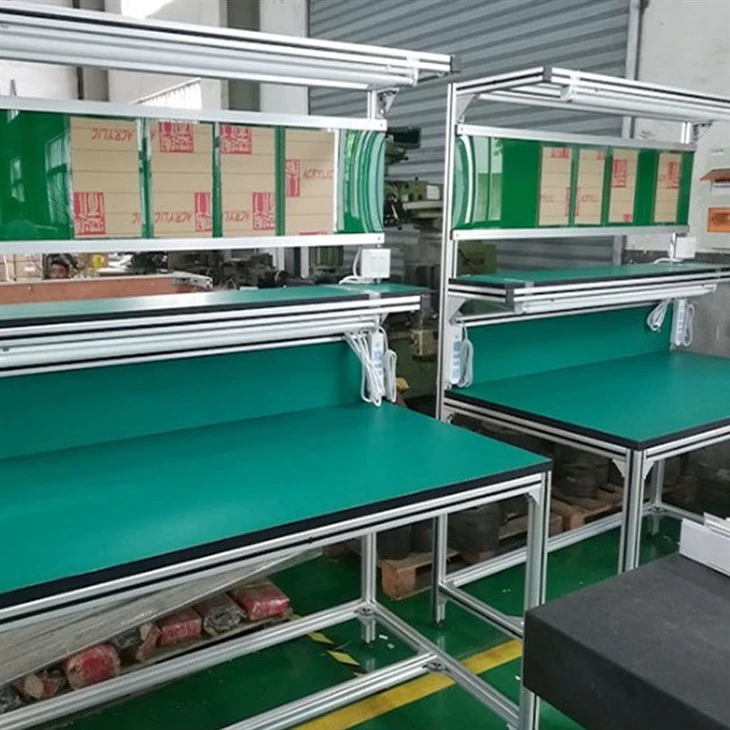
Aluminium profile workbenches are highly customizable, allowing you to tailor them to your specific metalworking needs. The modular design of these workbenches makes it easy to add or remove components, such as drawers, shelves, and tool holders, to create a workspace that suits your workflow. Additionally, aluminium profiles can be easily cut, drilled, and assembled, enabling you to customize the size and shape of your workbench to fit your available space. Whether you need a compact workbench for a small workshop or a large, multi-functional workbench for a production facility, an aluminium profile workbench can be customized to meet your requirements.
5. ESD Protection
In metalworking applications where electrostatic discharge (ESD) is a concern, such as electronics manufacturing or precision machining, an aluminium profile workbench with ESD protection can be a valuable asset. ESD can damage sensitive electronic components and cause malfunctions, so it's essential to have a workbench that can dissipate static electricity safely. Aluminium profile workbenches can be equipped with ESD-safe surfaces and grounding systems to prevent the buildup of static charge and protect your equipment and products.
Limitations of Aluminium Profile Workbenches for Metalworking
1. Lower Heat Resistance
Compared to steel workbenches, aluminium profile workbenches have a lower heat resistance. When working with high-temperature processes such as welding or brazing, the heat generated can cause the aluminium to deform or melt, potentially damaging the workbench. To mitigate this risk, it's important to use appropriate heat shields and insulation materials when performing high-temperature operations on an aluminium profile workbench. Additionally, it's advisable to avoid direct contact between the hot metal and the workbench surface to prevent heat transfer.
2. Less Rigid than Steel
While aluminium profile workbenches offer a good balance of strength and weight, they are generally less rigid than steel workbenches. This can be a concern when performing heavy-duty metalworking tasks that require a high degree of stability, such as large-scale machining or forging. In such cases, a steel workbench may be a more suitable option, as it can provide the necessary rigidity and support to ensure accurate and consistent results.

3. Higher Cost
Aluminium is generally more expensive than steel, which can make aluminium profile workbenches more costly than their steel counterparts. However, it's important to consider the long-term benefits of using an aluminium profile workbench, such as its lightweight, corrosion resistance, and customizability, when evaluating the cost. Additionally, the cost of an aluminium profile workbench can vary depending on the size, configuration, and features you choose, so it's possible to find a workbench that fits your budget.
Key Considerations When Using an Aluminium Profile Workbench for Metalworking
1. Workbench Load Capacity
Before using an aluminium profile workbench for metalworking, it's important to determine the load capacity of the workbench and ensure that it can handle the weight of your tools, materials, and equipment. The load capacity of an aluminium profile workbench is typically specified by the manufacturer and can vary depending on the size and configuration of the workbench. It's important to choose a workbench with a load capacity that is appropriate for your specific metalworking needs to ensure safe and reliable operation.
2. Workbench Surface
The surface of the workbench is an important consideration when using it for metalworking. You'll want to choose a workbench with a smooth, flat surface that is resistant to scratches and abrasions. Additionally, if you're working with ESD-sensitive components, you'll need a workbench with an ESD-safe surface to prevent static discharge. Some aluminium profile workbenches come with a variety of surface options, such as laminated wood, plastic, or metal, so you can choose the one that best suits your needs.
3. Workbench Accessories
To enhance the functionality of your aluminium profile workbench for metalworking, you may want to consider adding some accessories. Drawers, shelves, and tool holders can help you organize your tools and materials, making it easier to find what you need when you need it. Additionally, a vis vice or a clamp can provide a secure way to hold your workpieces in place while you're working on them. There are a variety of accessories available for aluminium profile workbenches, so you can choose the ones that are most useful for your specific metalworking tasks.
4. Workbench Maintenance
Proper maintenance is essential to ensure the longevity and performance of your aluminium profile workbench. Regular cleaning and inspection can help prevent corrosion, damage, and wear and tear. Additionally, it's important to follow the manufacturer's instructions for maintenance and repair to ensure that your workbench remains in good condition. If you notice any signs of damage or wear, such as cracks, dents, or loose components, it's important to address them promptly to prevent further damage and ensure safe operation.
Conclusion
In conclusion, an aluminium profile workbench can be a viable option for metalworking, offering a range of advantages such as lightweight, corrosion resistance, customizability, and ESD protection. However, it's important to consider the limitations of aluminium profile workbenches, such as their lower heat resistance and less rigidity compared to steel workbenches. By carefully evaluating your metalworking needs and considering the key factors discussed in this blog post, you can determine whether an aluminium profile workbench is the right choice for you.
If you're interested in learning more about our Aluminium Extrusion Workbench, Single Side Aluminum Profile Workbench, or Aluminum Profile Work Table Workbench, please feel free to contact us to discuss your specific requirements. We're here to help you find the perfect workbench for your metalworking operations.
References
- "Aluminium Alloys: Properties and Applications" by John Davis
- "Metalworking: Principles and Practices" by Robert H. Todd
- "Workbench Design and Construction" by Christopher Schwarz


