

Aluminum profile workbenches have become increasingly popular in various industries due to their durability, flexibility, and cost - effectiveness. As a supplier of these workbenches, I often get asked the question: "Do aluminium profile workbenches require maintenance?" In this blog post, I will explore this topic in detail, shedding light on the necessity of maintenance, the types of maintenance required, and how proper maintenance can extend the lifespan of these valuable work tools.
The Need for Maintenance
At first glance, aluminum profile workbenches may seem like low - maintenance fixtures. After all, aluminum is known for its corrosion - resistant properties. However, this does not mean that they are entirely maintenance - free. In industrial environments, workbenches are subjected to a wide range of conditions, including heavy use, exposure to chemicals, and mechanical stress. Over time, these factors can take a toll on the workbench, leading to wear and tear, reduced functionality, and potential safety hazards.
One of the primary reasons for maintaining aluminum profile workbenches is to ensure their structural integrity. The joints and connections in an aluminum profile workbench are crucial for its stability. If these connections become loose or damaged, the workbench may wobble or even collapse under heavy loads, posing a significant risk to workers. Regular maintenance can help identify and address these issues before they become serious problems.
Another important aspect is the appearance of the workbench. In a professional work environment, the appearance of equipment can reflect the overall quality and professionalism of the business. A well - maintained workbench not only looks better but also gives a positive impression to clients and employees.
Types of Maintenance
There are several types of maintenance that can be performed on aluminum profile workbenches.
Cleaning
Regular cleaning is the most basic form of maintenance. Dust, dirt, and debris can accumulate on the workbench surface over time, which not only affects its appearance but can also interfere with the functionality of any equipment placed on it. For general cleaning, a mild detergent and a soft cloth can be used. Avoid using abrasive cleaners or scrubbers, as they can scratch the aluminum surface, making it more susceptible to corrosion.
It is also important to clean the joints and connections of the workbench. Dirt and debris can get trapped in these areas, causing the joints to loosen or seize up. A small brush can be used to clean out these hard - to - reach places.
Inspection
Regular inspections are essential for detecting any signs of damage or wear. During an inspection, check the following:
- Structural Integrity: Look for any cracks, bends, or other signs of damage in the aluminum profiles. Pay special attention to the areas around the joints and connections.
- Joint Tightness: Check if the joints are tight. You can try to gently shake the workbench to see if there is any excessive movement. If a joint is loose, it may need to be tightened using the appropriate tools.
- Surface Condition: Inspect the surface of the workbench for scratches, dents, or signs of corrosion. Minor scratches can be touched up, while more severe damage may require replacement of the affected parts.
Lubrication
Some moving parts in an aluminum profile workbench, such as drawers or sliding components, may require lubrication. Lubrication helps reduce friction, making the parts move more smoothly and preventing premature wear. A silicone - based lubricant is usually a good choice for aluminum, as it does not corrode the metal.
Replacement of Parts
Over time, some parts of the workbench may need to be replaced. This could include worn - out drawers, damaged work surfaces, or broken connectors. When replacing parts, it is important to use high - quality replacement parts that are compatible with the existing workbench. You can find a wide range of replacement parts for aluminum profile workbenches, such as those available in Aluminum Profile Work Table Workbench.
Benefits of Regular Maintenance
Proper maintenance of aluminum profile workbenches offers several benefits.
Extended Lifespan
By addressing issues early and keeping the workbench in good condition, regular maintenance can significantly extend its lifespan. This means that businesses can get more value out of their investment in the workbench, reducing the need for frequent replacements.
Improved Performance
A well - maintained workbench performs better. It is more stable, and any moving parts operate smoothly. This can lead to increased productivity in the workplace, as workers can rely on the workbench to provide a stable and functional surface for their tasks.
Safety
As mentioned earlier, maintenance helps ensure the safety of workers. A stable and well - maintained workbench reduces the risk of accidents and injuries, which can have serious consequences for both the workers and the business.
How to Assemble and Maintain an Aluminum Profile Workbench
If you are considering assembling an aluminum profile workbench, it is important to follow the correct procedures. You can find detailed instructions on Assemble Aluminum Profile Workbench. Once the workbench is assembled, establishing a regular maintenance schedule is key.
Create a checklist of maintenance tasks and perform them at regular intervals. For example, you can schedule a weekly cleaning, a monthly inspection, and a quarterly lubrication of moving parts.
Special Considerations for ESD Workbenches
If you are using a High Quality ESD Flat Aluminum Workbench Work Table, additional maintenance steps may be required. ESD (Electrostatic Discharge) workbenches are designed to prevent the build - up and discharge of static electricity, which is crucial in industries such as electronics manufacturing.
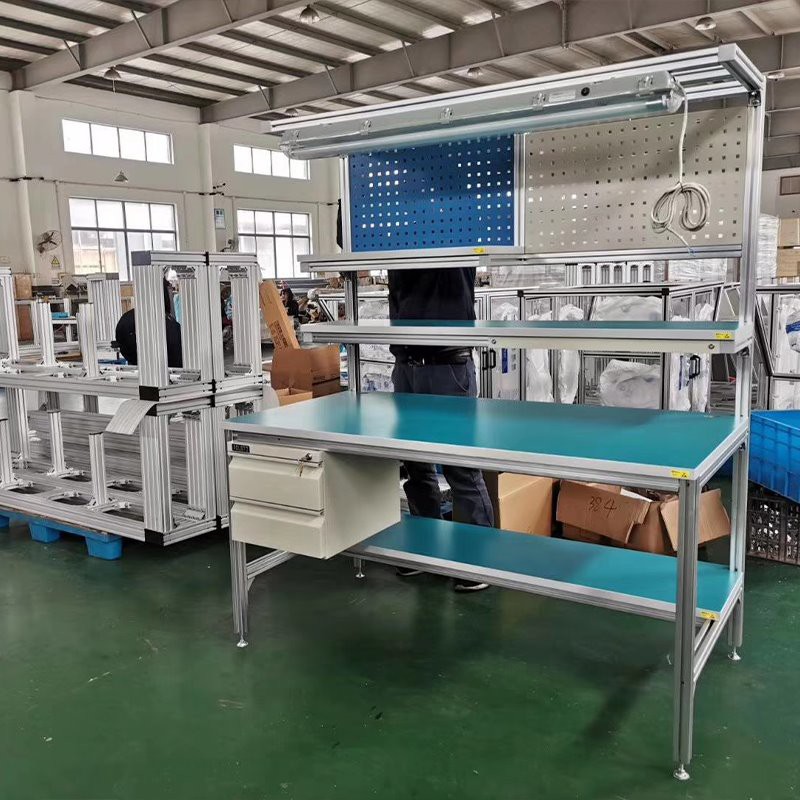
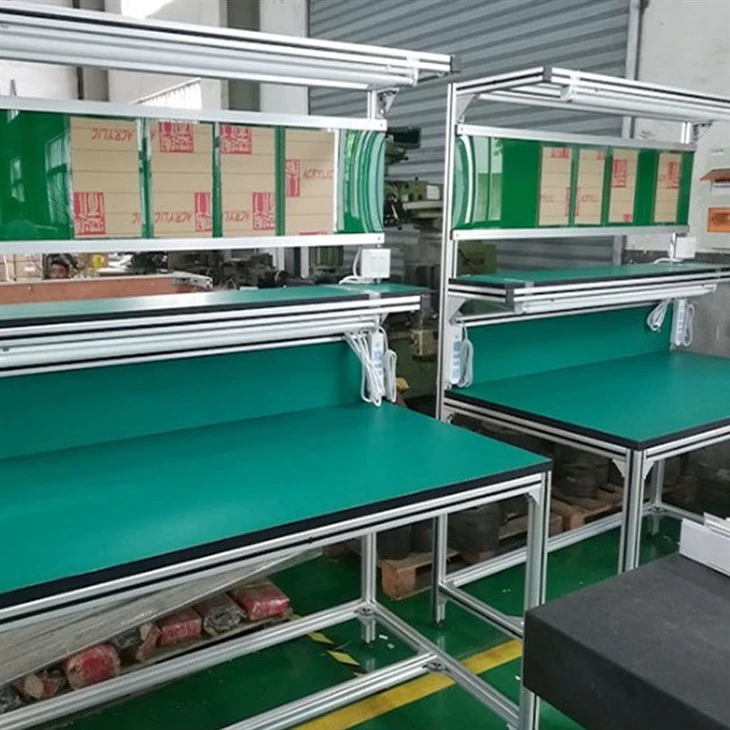
In addition to regular cleaning and inspection, the ESD properties of the workbench need to be tested periodically. Special ESD testing equipment can be used to measure the surface resistance of the workbench. If the surface resistance is outside the acceptable range, the workbench may need to be treated or replaced.
Conclusion
In conclusion, aluminum profile workbenches do require maintenance. Regular cleaning, inspection, lubrication, and replacement of parts are all important aspects of keeping these workbenches in good condition. The benefits of maintenance, including extended lifespan, improved performance, and enhanced safety, far outweigh the time and effort required.
If you are in the market for an aluminum profile workbench or need advice on maintenance, feel free to contact us for more information. We are a professional supplier of aluminum profile workbenches and can provide you with high - quality products and expert guidance. Let's work together to ensure that your work environment is equipped with the best workbenches that are safe, functional, and long - lasting.
References
- Aluminum Association. (2023). Aluminum in Construction: Properties and Applications.
- Industrial Equipment Maintenance Handbook. (2022). McGraw - Hill Professional.


