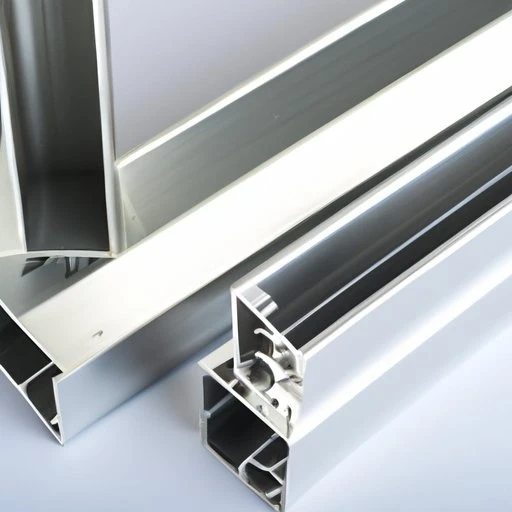
Aluminum extrusion is a process that shapes aluminum alloy into desired profiles by forcing it through a die. Among the various aluminum alloys available, 6063 aluminum stands out due to its unique properties and versatility.
Aluminum alloy 6063 is often referred to as an architectural alloy due to its excellent extrudability and aesthetic finish. It primarily consists of magnesium and silicon, which contribute to its desirable characteristics. Here are some key properties of 6063 aluminum:
- Density: 2.69 g/cm³
- Tensile Strength: Ranges from 145 to 186 MPa (21.0–27.0 ksi)
- Elongation at Break: 18–33%
- Thermal Conductivity: 201–218 W/(m·K)
- Corrosion Resistance: Excellent
These properties make 6063 aluminum ideal for applications that require intricate shapes and high-quality surface finishes, such as window frames, door frames, and architectural components.
Comparison with Other Aluminum Alloys
To understand the advantages of 6063 aluminum, it is essential to compare it with other commonly used alloys like 6061 and 6082.
| Property | Aluminum 6063 | Aluminum 6061 | Aluminum 6082 |
|---|---|---|---|
| Density | 2.69 g/cm³ | 2.70 g/cm³ | 2.70 g/cm³ |
| Tensile Strength | 145–186 MPa | 260–310 MPa | 260–310 MPa |
| Yield Strength | 90 MPa | 240 MPa | 240 MPa |
| Elongation at Break | 18–33% | 12–17% | 12–16% |
| Corrosion Resistance | Excellent | Good | Good |
| Workability | Excellent | Good | Good |
| Anodizing Quality | Excellent | Good |
Moderate |
Advantages of Using Aluminum Extrusion 6063
Choosing aluminum extrusion 6063 offers several benefits:
- Aesthetic Quality: Produces smooth surfaces that can be anodized or painted for enhanced visual appeal.
- Ease of Fabrication: Its excellent workability allows for intricate designs that are challenging with other alloys.
- Cost-Effectiveness: Generally less expensive than higher-strength alloys like 6061, making it a preferred choice for budget-sensitive projects.
Surface Treatments
One of the significant advantages of using aluminum extrusion 6063 is its compatibility with various surface treatments:
Anodizing
Anodizing enhances corrosion resistance and provides a durable finish that can be dyed in various colors. This treatment is particularly beneficial for architectural applications where aesthetics are crucial.
Powder Coating
Powder coating provides a thicker finish than traditional paint, offering better protection against scratches and wear while allowing for a wide range of color options.
Painting
Painting can also be used on aluminum extrusion profiles, providing additional protection against environmental factors while enhancing visual appeal.