


Aluminum extrusion pipes have become increasingly popular in various industries due to their versatility, durability, and cost-effectiveness. Whether you're working on a construction project, designing automotive components, or creating custom furniture, selecting the right aluminum extrusion pipe is crucial for ensuring optimal performance and longevity.
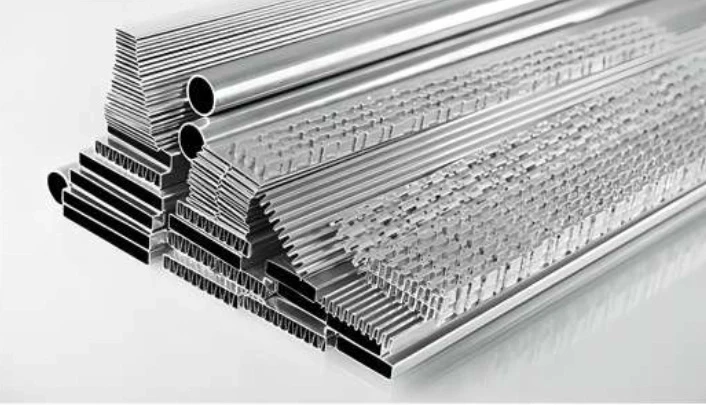
Before delving into the selection process, it's essential to understand what aluminum extrusion pipes are and how they're manufactured. Aluminum extrusion pipes are created through a process called extrusion, where heated aluminum billets are forced through a die to create a specific cross-sectional profile[5].
The extrusion process allows for the creation of complex shapes and profiles, making aluminum extrusion pipes highly versatile for various applications.
Factors to Consider When Choosing Aluminum Extrusion Pipes
1. Alloy Type
The alloy type of the aluminum extrusion pipe is a crucial factor in determining its mechanical properties, such as strength, ductility, and corrosion resistance. Common alloy types used for aluminum extrusion pipes include:
- 6061: Strong, durable, and highly resistant to corrosion
- 3003: Lightweight, ductile, and corrosion-resistant
- 5052: Strong, lightweight, and highly resistant to corrosion[1]
When selecting an alloy, consider the specific requirements of your application. For instance, if you need a pipe for a high-strength application, 6061 aluminum might be the best choice[1].
2. Dimensions and Tolerances
The dimensions of the aluminum extrusion pipe, including diameter, wall thickness, and length, are critical factors to consider. These specifications will depend on your specific application requirements[1].
- Diameter: Common diameters range from 1/2 inch to 12 inches
- Wall thickness: Typically ranges from 0.036 inches to 0.120 inches
- Length: Can be produced up to 20 feet[1]
Ensure that the chosen dimensions align with your project's needs and any relevant industry standards or regulations.
3. Surface Finish
The surface finish of the aluminum extrusion pipe can affect both its appearance and performance. Common surface finishes include:
- Mill finish
- Anodized
- Painted[1]
Select a surface finish that meets your aesthetic requirements and provides any necessary additional protection or properties for your application.
4. Mechanical Properties
Consider the mechanical properties required for your application, such as:
- Strength
- Ductility
- Hardness
- Fatigue resistance
These properties will vary depending on the alloy type and any heat treatment processes applied to the aluminum extrusion pipe[2].
5. Corrosion Resistance
Aluminum naturally forms a protective oxide layer, making it resistant to corrosion. However, different alloys and surface treatments can provide varying levels of corrosion resistance. If your application involves exposure to corrosive environments, choose an alloy and finish that offer enhanced corrosion protection[2].
6. Thermal and Electrical Conductivity
Aluminum extrusion pipes have excellent thermal and electrical conductivity properties. If your application requires efficient heat transfer or electrical conduction, consider these properties when selecting your pipe[8].
7. Weight Considerations
One of the significant advantages of aluminum extrusion pipes is their lightweight nature compared to other materials like steel. If weight is a critical factor in your application, aluminum extrusion pipes can offer substantial benefits[8].
8. Cost and Availability
While aluminum extrusion pipes are generally cost-effective, prices can vary based on factors such as alloy type, dimensions, and surface finish. Consider your budget and the availability of the specific aluminum extrusion pipe you need for your project
Applications of Aluminum Extrusion Pipes
Aluminum extrusion pipes find use in a wide range of industries and applications, including:
1. Construction: Window frames, curtain walls, structural support
2. Automotive: Frames, chassis, structural components
3. Aerospace: Aircraft components, satellite structures
4. Electrical and Electronics: Heat sinks, enclosures
5. Furniture: Custom designs, modular systems
6. HVAC: Ductwork, heat exchangers
7. Renewable Energy: Solar panel frames, wind turbine components
Steps to Choose the Right Aluminum Extrusion Pipe
Follow these steps to select the most suitable aluminum extrusion pipe for your application:
1. Analyze your application requirements, including mechanical properties, environmental conditions, and design specifications.
2. Determine the required dimensions, including diameter, wall thickness, and length.
3. Select an appropriate alloy type based on the mechanical properties and corrosion resistance needed.
4. Choose a surface finish that meets both aesthetic and functional requirements.
5. Consider any special requirements, such as thermal or electrical conductivity.
6. Evaluate the weight considerations for your application.
7. Compare costs and availability of different options.
8. Consult with aluminum extrusion experts or manufacturers for additional guidance and recommendations


