


Aluminum extrusions are used across a diverse range of industries, including construction (window frames, curtain walls), automotive (chassis, body panels), aerospace (aircraft structures), electronics (heat sinks, enclosures), energy (solar panels, wind turbines), medical (equipment), and consumer goods (furniture, sporting equipment), due to their unique properties like light weight, strength, and corrosion resistance.
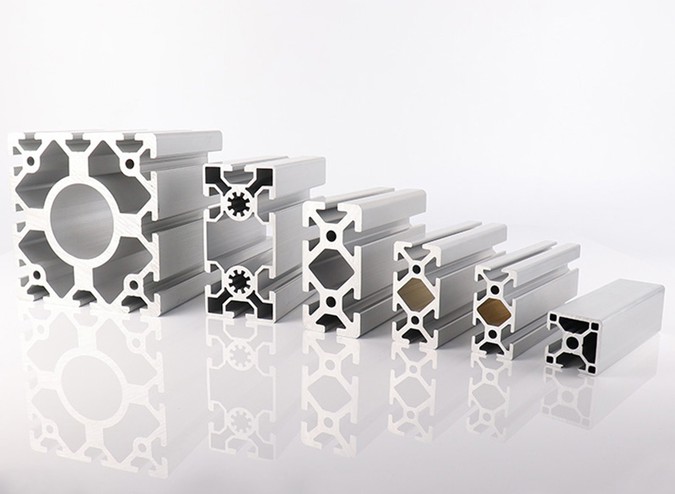
Here are some of the key industries that utilize aluminum extrusions:
Architecture and Construction

Currently, the construction and construction industry is the largest market for the application of extruded aluminum profiles, and there are good reasons for this. Take large-scale engineering skylights and canopies as an example. These components often have strict requirements for the lightweight and high-strength characteristics of the structure.
For facilities such as roofs and fences that are exposed to natural conditions for a long time, the material itself must have excellent corrosion resistance and often requires surface treatment processes such as anodization to extend their service life.
In addition, when assembling prefabricated components on the construction site quickly, aluminum profiles also demonstrate significant advantages in terms of efficiency, aesthetics, and adjustability. It is precisely these diverse demands that make the well-designed and cost-effective aluminum extrusion profiles an excellent choice for creating beautiful and sturdy structures in the construction and construction industry.
Automotive and transportation
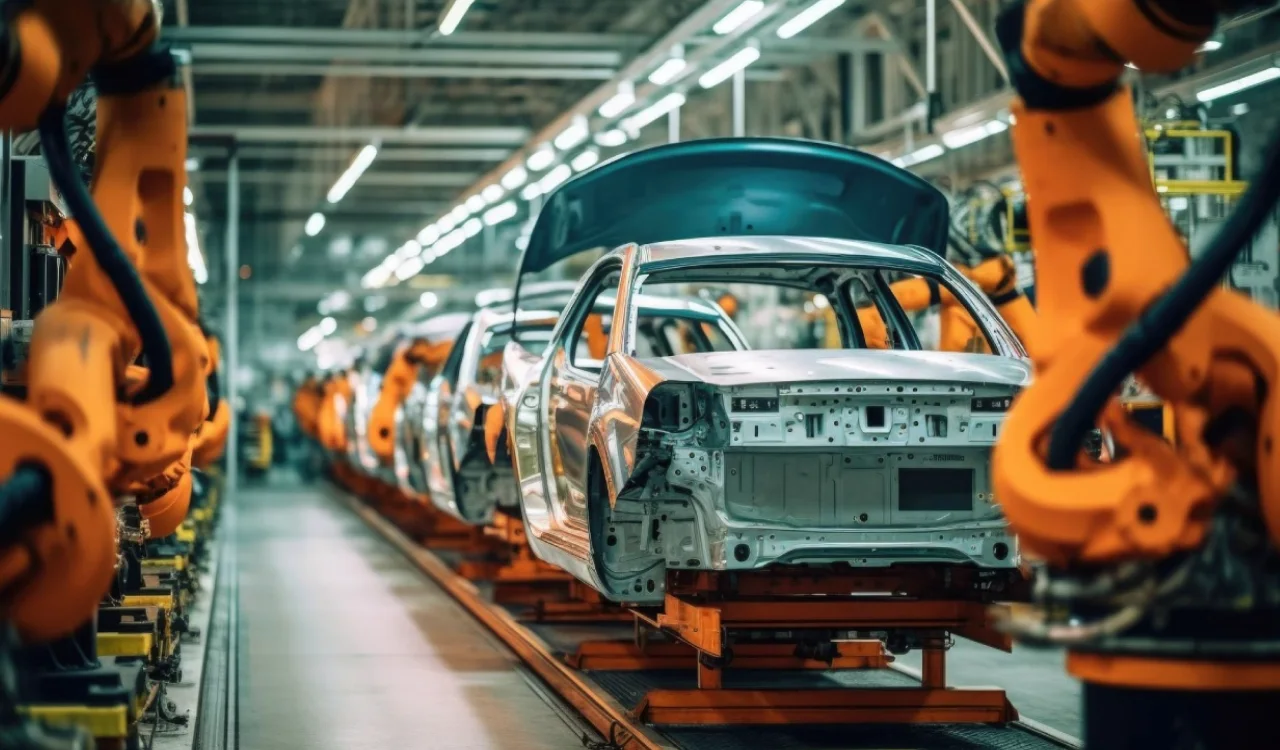
To enhance vehicle energy efficiency, automobile manufacturers are increasingly inclined to adopt aluminum products to achieve lightweighting goals. Whether it is the vehicle's frame, sub-frame, interior components or additional parts, they can be efficiently manufactured through the aluminum extrusion process, ensuring structural strength while significantly reducing weight. Based on the same lightweighting advantage, the application scope of aluminum profiles is also continuously expanding in buses, freight trailers, off-road vehicles, and even aircraft.
The natural corrosion resistance of aluminum can effectively enhance the durability of outdoor transportation vehicles. This characteristic is particularly crucial in marine environments such as ships and docks. Moreover, aluminum extrusion profiles can also be used to manufacture lightweight battery boxes for electric vehicles. This design not only reduces the overall weight but also helps with the thermal management of the battery.
Electrical and electronics

The application of extruded aluminum materials in the electrical and electronic industry goes far beyond the exquisite appearance parts of consumer electronics. It is easy to be processed into various electrical enclosures and equipment chassis, but its core advantage lies in the excellent thermal and electrical conductivity of the material itself, along with the features of low cost and light weight. It is an ideal substitute for copper materials.
Therefore, the aluminum extrusion process is often used to manufacture heat sinks, effectively preventing electronic equipment from overheating; and aluminum is also widely used in high-voltage power transmission lines and general-scale wiring, demonstrating significant electrical application value.
Consumer products
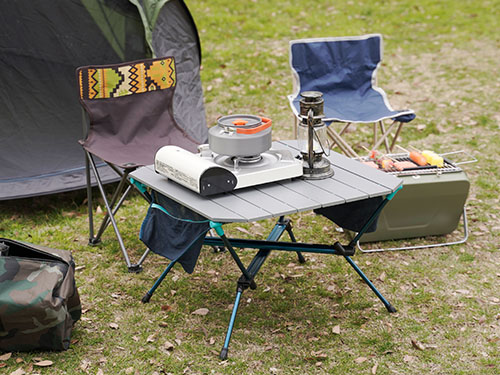
Although the consumer goods sector accounts for a relatively small share of the aluminum profile market, its applications are ubiquitous. From camping chairs, bicycles to golf clubs and beverage cans, numerous daily items are made from extruded aluminum.
Medical Industry

Meanwhile, aluminium profiles also play a crucial role in the medical industry. In the manufacturing of various medical equipment, aluminium profiles are used in the medical sector. Aluminium is lightweight, which makes it easy to handle during surgeries or during transportation. Moreover, aluminium is a non-toxic material and is suitable for medical applications. Aluminium profiles are used to manufacture wheelchairs, hospital beds, and other medical equipment.


