

Hey there! I'm here as a supplier of Move Work Platform Stairs, and today we're going to dig into a super important topic: Are there any legal implications of moving work platform stairs?
First off, let's talk about what move work platform stairs are. These are those nifty, movable structures that are used in all sorts of workplaces, from construction sites to warehouse facilities. They provide a safe and convenient way for workers to access different levels. For instance, one of our popular products is the Aluminium Movable Platform Ladder, which is lightweight, durable, and easy to move around.
Now, onto the legal stuff. When it comes to moving work platform stairs, there are several laws and regulations that you need to be aware of. These laws are in place to ensure the safety of workers and the general public.
One of the key areas of concern is workplace safety regulations. In most countries, employers are required by law to provide a safe working environment for their employees. This includes ensuring that any equipment, such as move work platform stairs, is in good working condition and used correctly. For example, in the United States, the Occupational Safety and Health Administration (OSHA) has strict rules regarding the use of ladders and platforms. OSHA requires that these structures be inspected regularly for any signs of damage or wear and tear. If a company fails to comply with these regulations, they could face hefty fines and even legal action.
Another aspect is building codes. Different regions have their own building codes that govern the installation and use of move work platform stairs. These codes specify things like the maximum height of the stairs, the width of the steps, and the strength of the materials used. For example, in some areas, the building code might require that the stairs have a certain load - bearing capacity to ensure they can safely support the weight of workers and any equipment they might be carrying. If you install move work platform stairs that don't meet these building codes, you could be in violation of the law.
Liability is also a big legal concern. If someone gets injured while using move work platform stairs, who is responsible? Well, it could be the employer, the manufacturer, or even the person who moved the stairs. For example, if an employer fails to train their employees on how to safely move and use the stairs, and an employee gets hurt as a result, the employer could be held liable. Similarly, if a manufacturer produces faulty stairs that cause an accident, they could face a lawsuit.
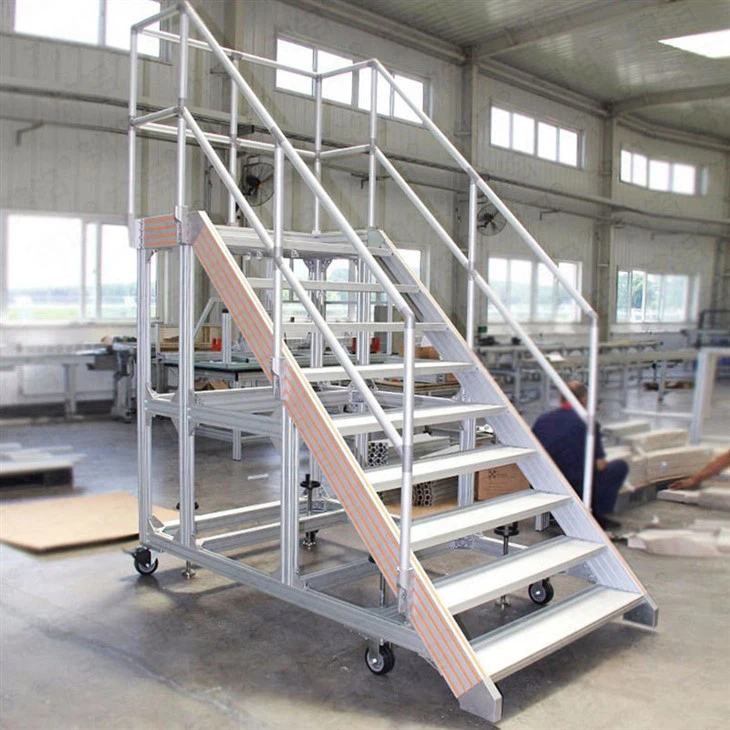

Let's take a real - life example. There was a case where a construction company was using move work platform stairs on a job site. The stairs were not properly secured, and a worker fell while climbing them. The worker suffered serious injuries and sued the construction company. The court found that the company was negligent because they had not followed the proper safety procedures for securing the stairs. As a result, the company had to pay a large settlement to the injured worker.
Now, as a supplier of move work platform stairs, we take these legal implications very seriously. We make sure that all of our products meet the highest safety standards and comply with relevant building codes. We also provide detailed instructions on how to install, use, and maintain our stairs to help our customers avoid any legal issues.
When it comes to moving the stairs, there are some best practices that can help you stay on the right side of the law. First, always make sure that the stairs are properly disassembled and reassembled if necessary. This might seem like a hassle, but it's crucial for safety. Second, use the right equipment to move the stairs. For example, if the stairs are heavy, use a forklift or a pallet jack instead of trying to move them manually. Third, have a trained person oversee the moving process. This person should be familiar with the safety procedures and be able to ensure that everything is done correctly.
If you're in the market for move work platform stairs, it's important to do your due diligence. Make sure you choose a supplier like us who understands the legal implications and can provide you with high - quality, compliant products. We offer a wide range of move work platform stairs, including the Aluminium Movable Platform Ladder, which is not only safe but also very practical for various work environments.
In conclusion, there are definitely legal implications of moving work platform stairs. From workplace safety regulations to building codes and liability issues, it's essential to be aware of these laws and follow them to avoid any legal trouble. As a supplier, we're here to help you navigate these legal waters and provide you with the best products for your needs. If you're interested in learning more about our move work platform stairs or have any questions about the legal aspects, don't hesitate to reach out. We're always happy to have a chat and discuss your requirements. Let's work together to ensure a safe and compliant work environment.
References
- Occupational Safety and Health Administration (OSHA) regulations
- Local building codes from various regions
- Case law related to workplace accidents involving move work platform stairs


