

What is the corrosion rate of workbench aluminium profiles in different environments?
As a supplier of workbench aluminium profiles, I've witnessed firsthand the importance of understanding how these profiles perform in various environments. Aluminium is a popular choice for workbenches due to its lightweight, high strength, and corrosion resistance. However, the corrosion rate of aluminium profiles can vary significantly depending on the specific environmental conditions they are exposed to.
Corrosion Mechanisms in Aluminium
Before delving into the corrosion rates in different environments, it's essential to understand the basic corrosion mechanisms in aluminium. Aluminium has a natural oxide layer that forms on its surface when exposed to air. This oxide layer acts as a protective barrier, preventing further oxidation and corrosion. However, certain factors can break down this protective layer, leading to corrosion.
One of the primary factors that can cause corrosion in aluminium is the presence of moisture. When aluminium is exposed to water or high humidity, the oxide layer can react with water molecules, forming aluminium hydroxide. This reaction can weaken the oxide layer, making the aluminium more susceptible to corrosion. Additionally, the presence of certain chemicals, such as acids or alkalis, can also break down the oxide layer and accelerate corrosion.
Corrosion Rates in Different Environments
The corrosion rate of workbench aluminium profiles can vary significantly depending on the specific environment they are exposed to. Here are some common environments and their impact on the corrosion rate of aluminium profiles:
Indoor Environments
Indoor environments are generally considered to be less corrosive than outdoor environments. In most indoor settings, the humidity levels are relatively low, and the exposure to chemicals is minimal. As a result, the corrosion rate of aluminium profiles in indoor environments is typically very low.
However, there are some indoor environments that can be more corrosive. For example, in industrial settings where there is a high concentration of chemicals or pollutants, the corrosion rate of aluminium profiles may be higher. Additionally, in areas with high humidity, such as bathrooms or kitchens, the aluminium profiles may be more prone to corrosion.
Outdoor Environments
Outdoor environments are generally more corrosive than indoor environments. The exposure to moisture, sunlight, and pollutants can all contribute to the corrosion of aluminium profiles. The corrosion rate of aluminium profiles in outdoor environments can vary depending on the specific location and climate.
In coastal areas, the presence of saltwater can significantly accelerate the corrosion of aluminium profiles. Saltwater contains chloride ions, which can break down the oxide layer on the aluminium surface and cause pitting corrosion. Additionally, the high humidity levels in coastal areas can also contribute to the corrosion process.
In industrial areas, the presence of pollutants, such as sulfur dioxide and nitrogen oxides, can also accelerate the corrosion of aluminium profiles. These pollutants can react with the moisture in the air to form acids, which can break down the oxide layer on the aluminium surface and cause corrosion.
In rural areas, the corrosion rate of aluminium profiles is typically lower than in coastal or industrial areas. However, the exposure to moisture and sunlight can still cause some corrosion over time.

Chemical Environments
In some industrial settings, workbench aluminium profiles may be exposed to chemicals. The corrosion rate of aluminium profiles in chemical environments can vary depending on the specific chemicals they are exposed to.
Acids and alkalis can both be very corrosive to aluminium. Strong acids, such as hydrochloric acid or sulfuric acid, can quickly break down the oxide layer on the aluminium surface and cause severe corrosion. Similarly, strong alkalis, such as sodium hydroxide or potassium hydroxide, can also react with the aluminium and cause corrosion.
In addition to acids and alkalis, other chemicals, such as solvents, oils, and greases, can also have an impact on the corrosion rate of aluminium profiles. Some solvents can dissolve the oxide layer on the aluminium surface, making it more susceptible to corrosion. Oils and greases can also trap moisture and pollutants, which can accelerate the corrosion process.
Measuring Corrosion Rates
To determine the corrosion rate of workbench aluminium profiles in different environments, various methods can be used. One common method is to use a corrosion coupon. A corrosion coupon is a small piece of aluminium that is exposed to the same environment as the workbench profiles. The coupon is then periodically removed and weighed to determine the amount of corrosion that has occurred.
Another method is to use electrochemical techniques, such as potentiodynamic polarization or electrochemical impedance spectroscopy. These techniques can provide more detailed information about the corrosion process, including the corrosion rate and the mechanism of corrosion.
Mitigating Corrosion
To mitigate the corrosion of workbench aluminium profiles, several strategies can be employed. One of the most effective strategies is to apply a protective coating to the aluminium surface. There are several types of protective coatings available, including paint, powder coating, and anodizing. These coatings can provide a barrier between the aluminium surface and the environment, preventing moisture and chemicals from coming into contact with the aluminium.
Another strategy is to use corrosion-resistant alloys. Some aluminium alloys are more resistant to corrosion than others. For example, aluminium alloys that contain magnesium or zinc are generally more corrosion-resistant than pure aluminium.
In addition to protective coatings and corrosion-resistant alloys, proper maintenance and cleaning can also help to mitigate the corrosion of workbench aluminium profiles. Regular cleaning can remove dirt, dust, and pollutants from the surface of the aluminium, preventing them from contributing to the corrosion process. Additionally, any signs of corrosion should be addressed promptly to prevent further damage.
Conclusion
As a supplier of workbench aluminium profiles, I understand the importance of providing high-quality products that can withstand the rigors of different environments. By understanding the corrosion mechanisms in aluminium and the factors that can affect the corrosion rate, we can help our customers choose the right aluminium profiles for their specific applications.
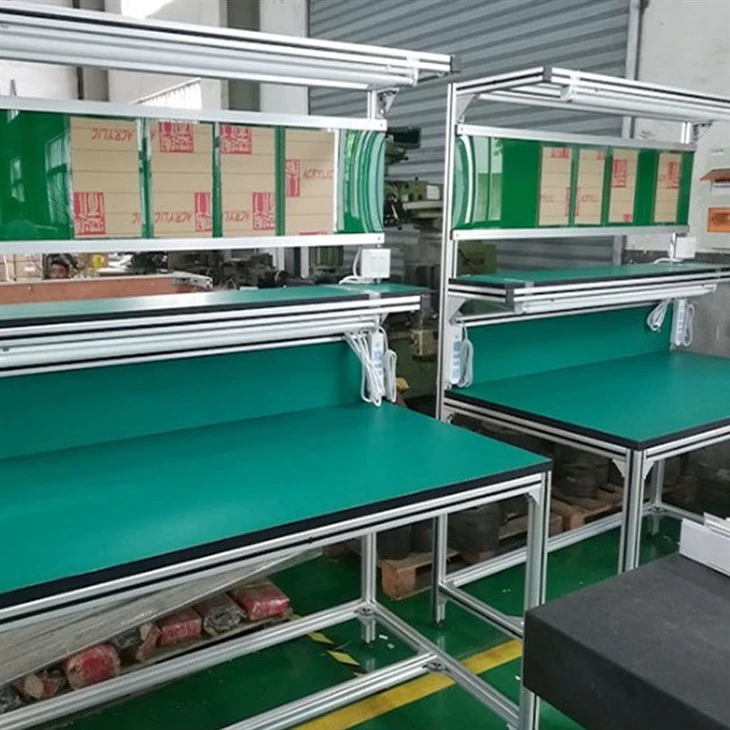
Whether you're looking for a Double Side Aluminum Profile Workbench, an Aluminum Profile Work Table Workbench, or an Electronic Factory Aluminum Profile Workbench, we have the expertise and experience to provide you with the right solution. If you have any questions or would like to discuss your specific requirements, please don't hesitate to contact us. We look forward to working with you to meet your workbench needs.
References
- Uhlig, H. H., & Revie, R. W. (1985). Corrosion and corrosion control: an introduction to corrosion science and engineering. Wiley.
-ASM Handbook Committee. (2003). ASM Handbook, Volume 13A: Corrosion: Fundamentals, Testing, and Protection. ASM International. - Fontana, M. G. (1986). Corrosion engineering. McGraw-Hill.


